

Based on Hawke's Frontier models, we will describe the features of a riflescope for long-range shooting.
A modern riflescope for use at longer shooting distances contains a lot of smart features that help the shooter make precise shots regardless of the distance to the target. Among others, the Frontier series from English Hawke offers all these features.
First and foremost, sharp optics and high quality are required so that the binoculars never become a limiting factor. Below we list the most important features for this use.
- Quality optics
All lenses are made of the highest quality and coated with 21 layers of coatings that ensure a sharp image, natural color reproduction and counteract the reflection of light. If the light reflects on the lenses, it does not pass through the optics and the image becomes dark. This is especially a challenge when shooting in low light. A bit like shining a flashlight on a window and the light is reflected back 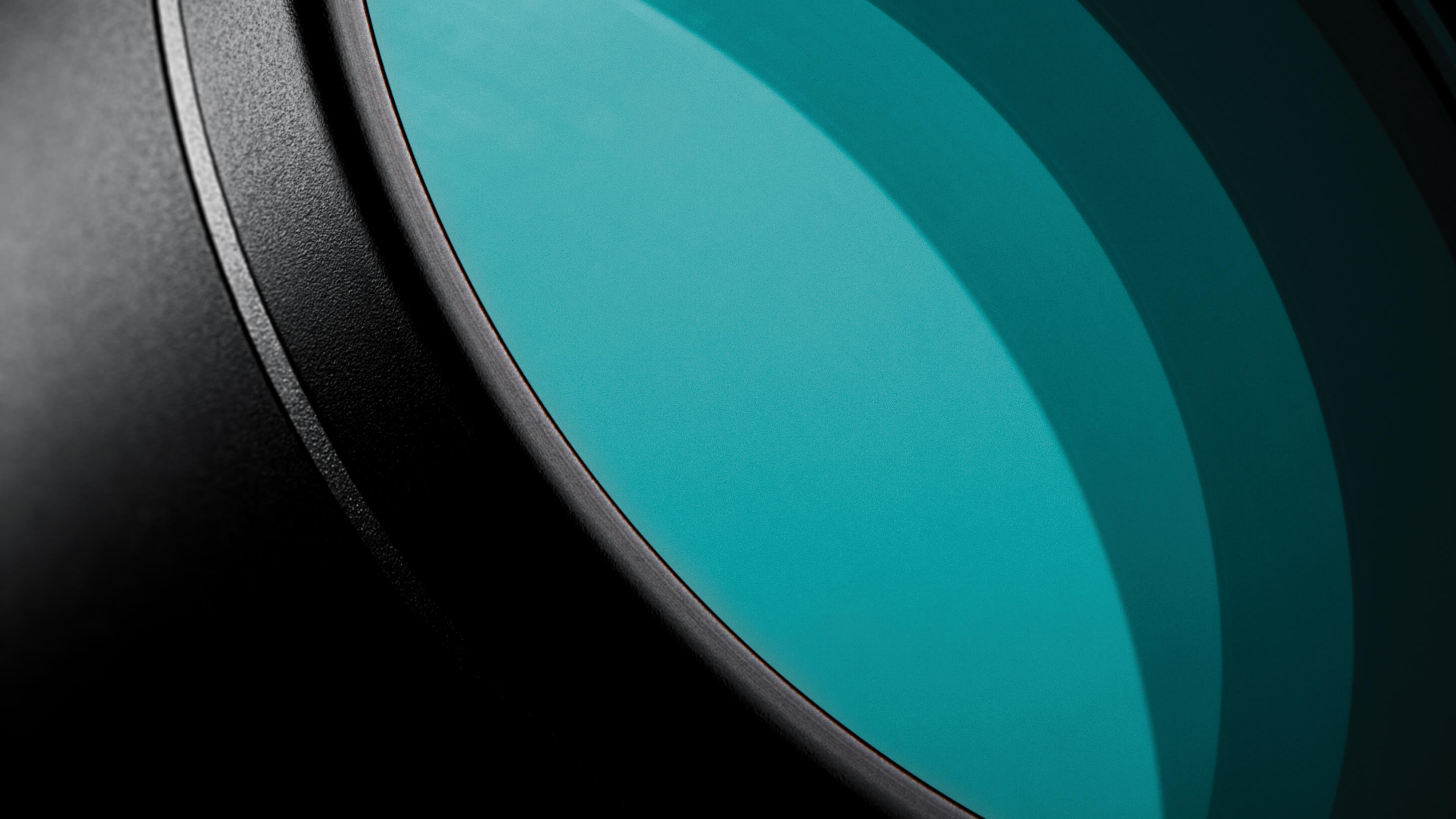
- 30/34mm. Pipe
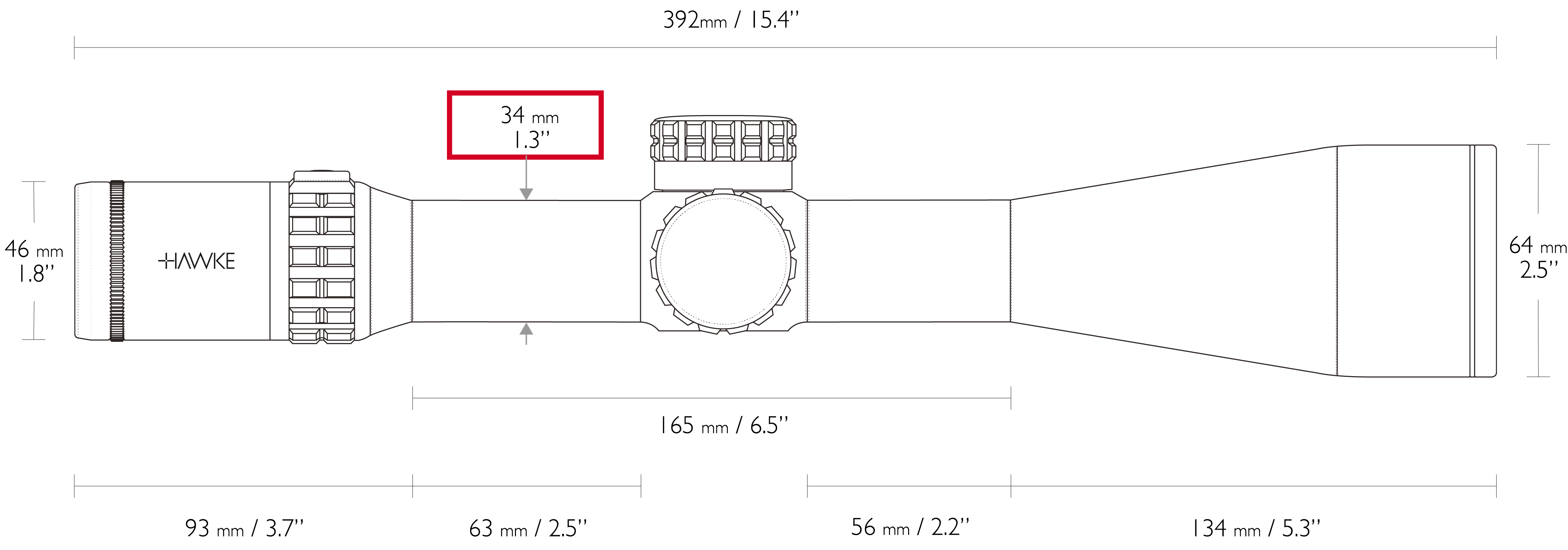
The Frontier series is available in both 30 mm. and 34 mm intermediate tubes. With 30 mm. A slimmer and lighter scope is achieved, whereas 34 mm. Allows for significantly more elevation. Imagine that there is a thinner tube inside the outer tube. The more space there is around the inner tube, the more the scope can be adjusted in height and laterally.
- High magnification
When shooting at long distances, a high magnification is necessary so that the shooter can see the target clearly and place his shot exactly where he wants. The I 34 FFP models offer 3-18x zoom and 5-30x zoom. Depending on the needs, the shooter can choose the optimal magnification. However, too high a magnification may be undesirable at high temperatures, as “mirage” or in Danish, heat flicker will occur. This becomes even more obvious at high magnification. With a 6x zoom range (e.g. 3-18: 3x6=18) it is possible to turn down the magnification until heat flicker no longer disturbs the image. 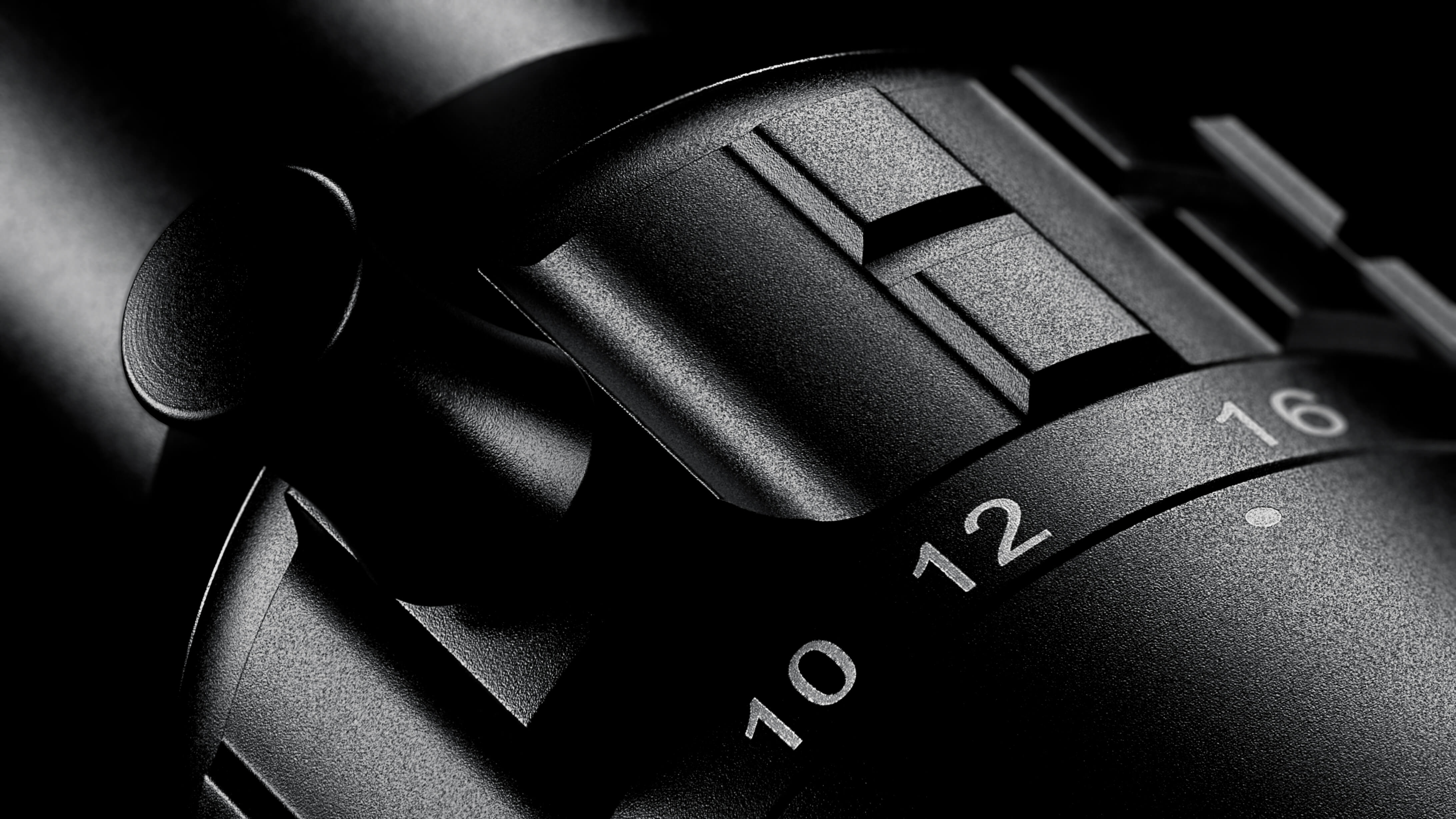
- Zoom live
A zoom lever is a small included pawl that can be screwed into the zoom ring. With this mounted, it is easy and effortless to adjust the zoom without significantly changing the shooting position and thereby having to build it up again. A simple but extremely practical function. 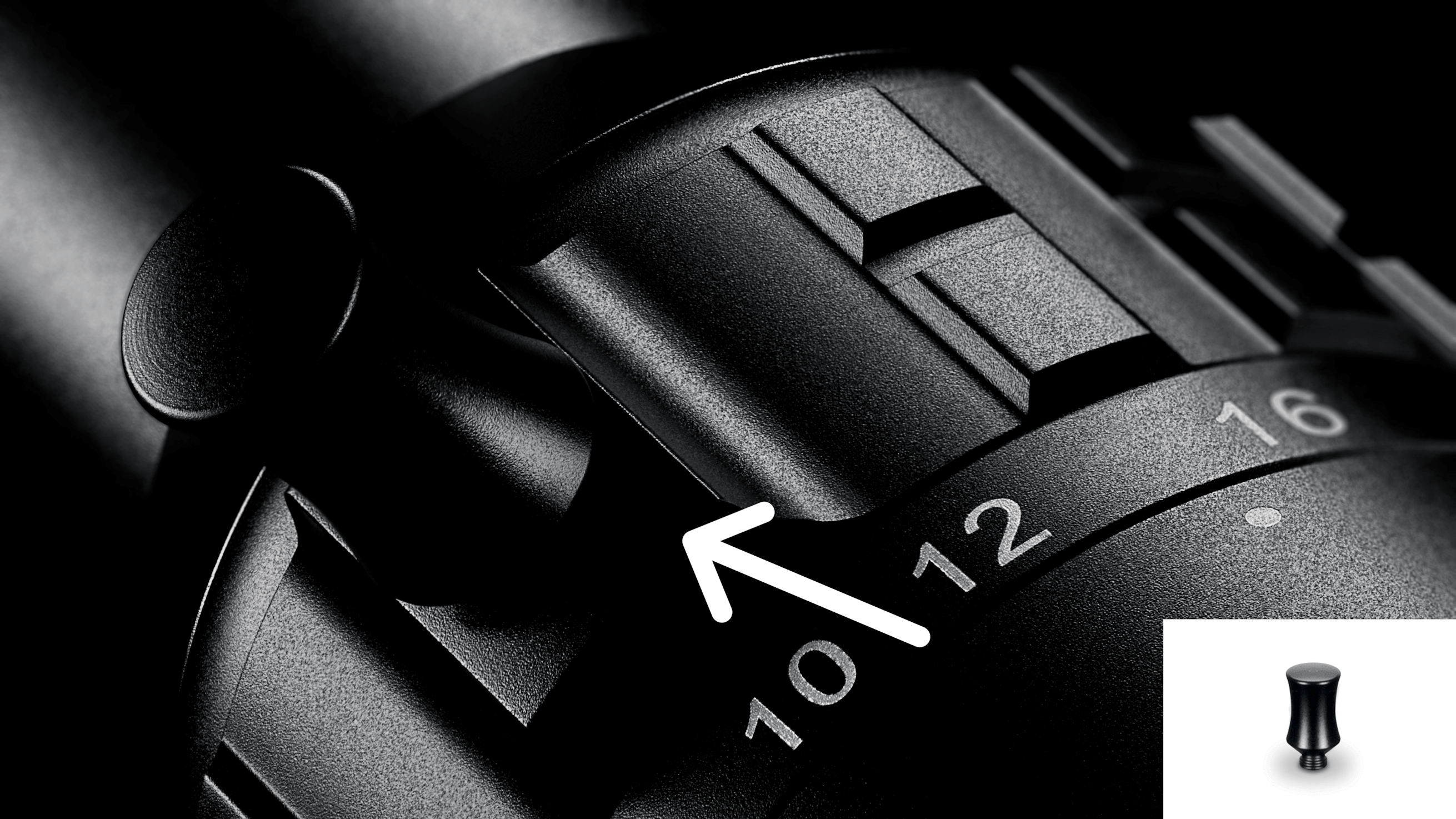
- Parallax adjustment
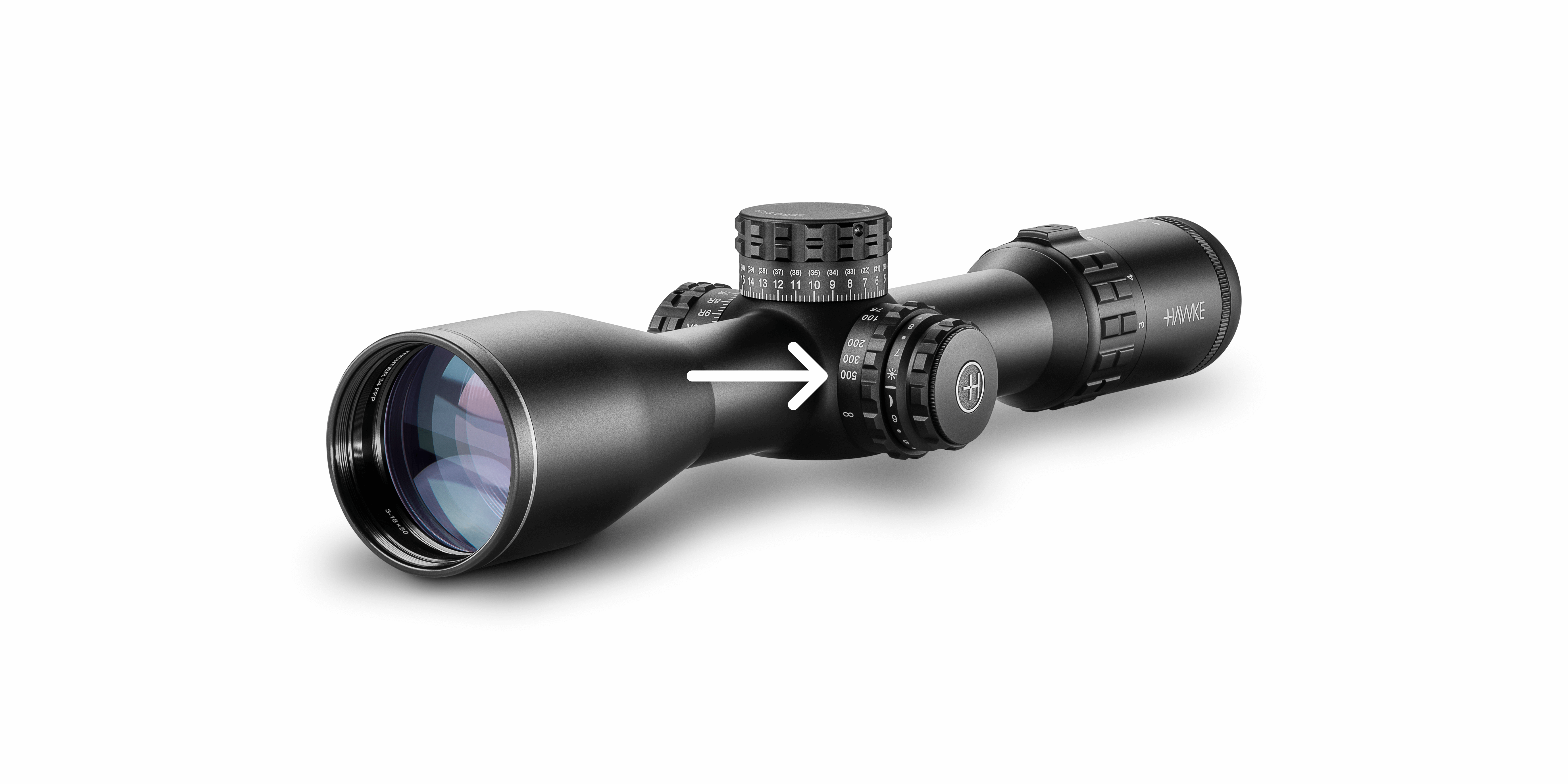
A riflescope is usually parallax-free at a distance of 100 meters or in some cases 100 yards (91.4 m.) when shooting at shorter or longer distances, parallax errors may occur if the shooter's eye is not placed 100% precisely centered in relation to the scope. This margin of error is removed by adjusting the wheel on the side of the scope so that the parallax is adjusted to the correct distance. Furthermore, this functions as a focus adjustment so that the scope's optics are sharp at the correct distance.
- Click tower for elevation
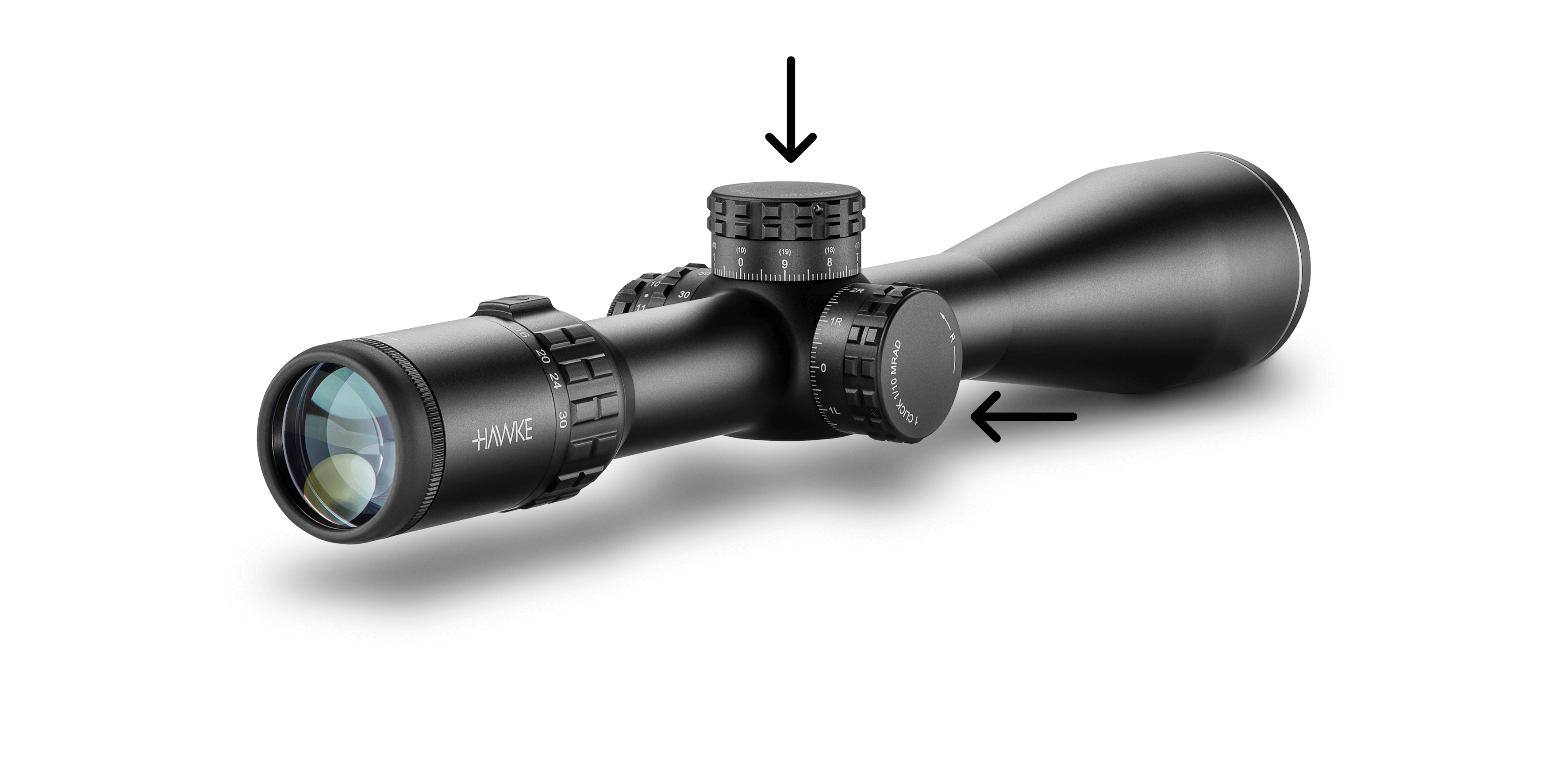
When shooting at different distances, it is necessary to adjust the crosshairs to compensate for the fall of the rifle bullet at the given distance. This means that the shooter can aim straight at the target regardless of the distance, if the click turret is adjusted correctly. Adjusting elevation requires that you know the ballistics, i.e. bullet fall, for the ammunition you are using. A ballistics program from the ammunition manufacturer can be used with great advantage. Among others, Lapua has developed an app that makes this easier. It is important that the exact muzzle velocity is known for the ammunition used in the weapon used.
- Click turret for crosswind adjustment
At even the slightest crosswind, the rifle bullet will wander to the side during its flight towards the target. The longer the shooting distance and the more wind, the more adjustment must be made. This requires experience. An anemometer can be an important tool for this when the distances become large. Alternatively, Lapua's ballistic app can tell you about wind conditions at your location.
- Zero Lock 'n' Stop
On the Hawke Frontier scopes there is a function in the click turrets that ensures that you can never adjust the reticle to a shorter distance than desired. If the rifle is moved to, for example, 100 m. distance, the shooter can always adjust back to this position without having to worry about getting below 100 m.
Also adjust the outer click towers so that 0 equals the insertion distance. Watch Hawke's video explaining the function of the "Zero Lock 'n' Stop" function. https://youtu.be/_rZL5nEej98
- Subtensions in crosshairs
If click turrets are not used, for example in fast shooting like PRS where time is an important factor, it is a great advantage to have a reticle with subtensions. Here the shooter can quickly assess how much to correct for elevation and crosswind. However, adjusting click turrets will always be a more precise choice, but also more time-consuming.
-traadkors.png)
- Crosshairs in the first image plane – FFP
For hunting, the vast majority of people will choose a reticle in the 2nd image plane, which means that the reticle does not enlarge with magnification. However, if subtensions in the reticle are used, the values for elevation and side elevation will change with zoom. Therefore, you should always choose binoculars with a reticle in the 1st image plane, where the reticle follows the zoom of the binoculars. The reticle will fill up more when the magnification is turned up, but the values in the reticle are always the same. The 1st image plane is often referred to as the FFP (first focal plane)
-zoom-traadkors.png)
- Eye relief – eyerelief
The Hawke Frontier binoculars come with a long eye relief of 102 mm. Which is especially preferable for weapons of larger caliber, where the recoil is greater. This way, the shooter does not have to fear that the binoculars will hit the eyebrow and leave the classic “weatherby scar” as many call the small scar that is left behind when the skin has healed.
- Diopter adjustment with locking ring
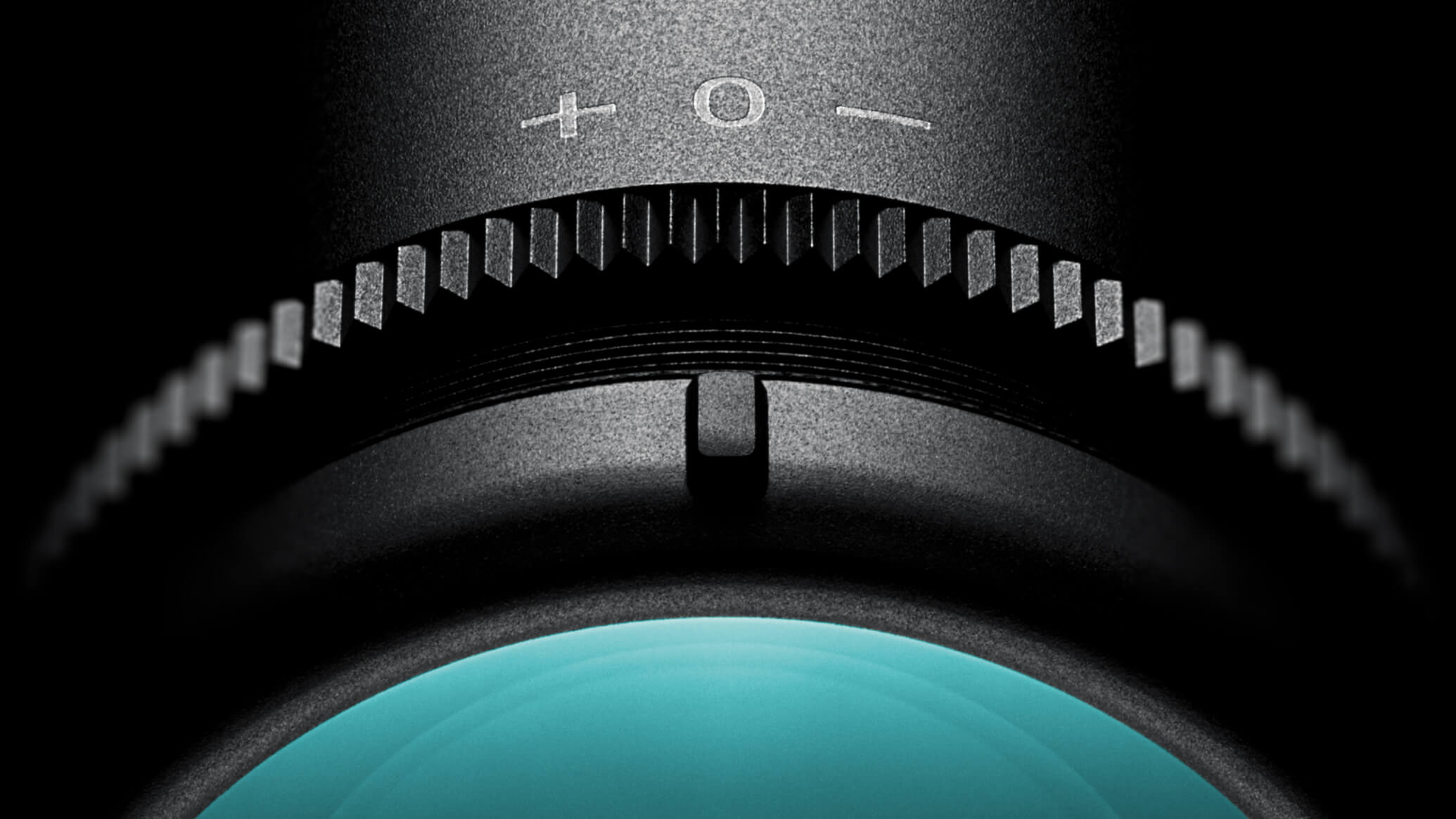
The diopter is adjusted to the individual shooter's eye and via the integrated locking ring, this adjustment is not changed after it is correctly adjusted. The parallax adjustment is set to the distance at which the target is being viewed and the diopter is adjusted until the image is completely sharp. This is individual for each shooter. Subsequently, the diopter is locked and the parallax adjustment is only adjusted forward when the distance to the target changes. This achieves a sharp image at the correct distance.
- Flip-up cover
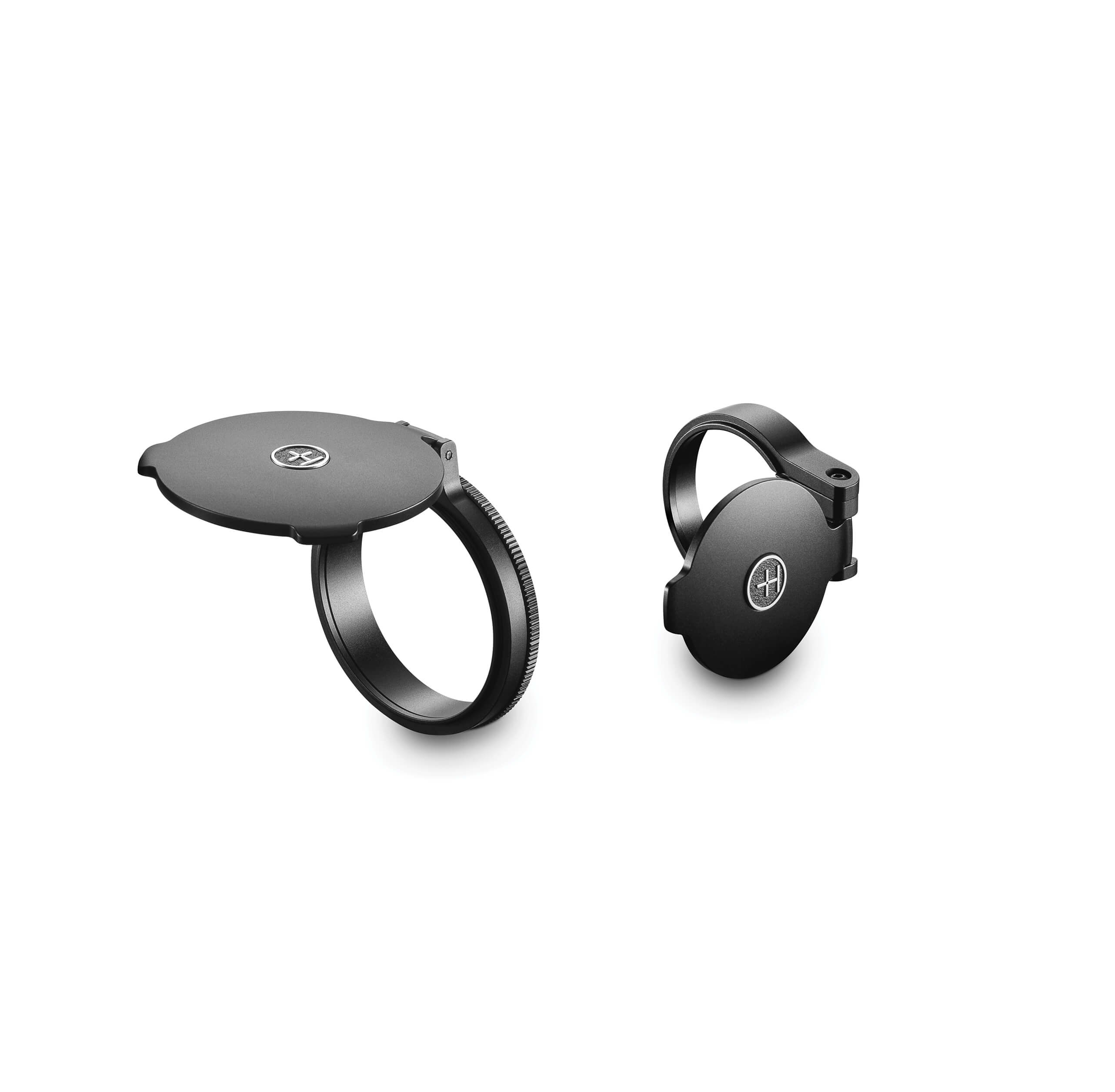
Hawke Frontier binoculars come with aluminum flip-up covers for both the objective lens and eyepiece. This prevents unnecessary dirt on the lenses and water in rainy weather. Always remember to keep the lenses clean, as dirty, dusty or wet lenses significantly impair the optical image.
We hope this gives you a better insight into the different features of the Hawke Frontier riflescopes and why you should choose a Frontier scope for your weapon when shooting distances become long.
Really enjoy.


