




















If you are new to hunting, or just need a good brush-up on the rules, read on. Here we go through some of the most important rules and tips for a successful hunt. We also give you some good advice on what to remember to bring when you go hunting.
Where and when?
Where may you hunt? And when may you hunt? Knowing the answers to these two questions is of course a prerequisite for going hunting at all. In many countries the right to hunt is tied to the land: the landowner holds the hunting rights, and there may be a minimum area before hunting is allowed or before others can be invited or the hunting rights leased out. Check the rules in your country.
These are often large areas of land, and it is usually estate owners and the like who host larger hunting parties. So if you want to go hunting, you could find out whether anyone in your area has suitable land available. You should also be aware that there are many places where you are absolutely not allowed to hunt – for example certain urban zones, holiday home areas, reserves and other areas where hunting is completely banned. In general, it is a good idea to look up the rules or contact the police if you are unsure whether you may hunt in a particular area.
And when may you hunt? Unfortunately, there is no simple answer. You may hunt the species that are in season. Animals need longer periods of peace, when they can mate and breed, among other things. Also be aware that many species may not be hunted at all. Seasons vary by species and by country, so always check the open seasons where you hunt.
The general rule is also often that you may shoot between sunrise and sunset, with some exceptions. As with the questions above, it pays to check the details with your local authorities. There you can also find out whether there are special areas near you where the rules differ slightly – such areas do exist.
How old do you have to be to go hunting?
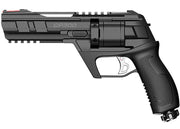
Hunting can be a dangerous activity, so there are some special rules to be aware of. Many countries set a minimum age for buying and using more powerful air guns and for taking a hunting licence, and many species may not be shot with small calibres at all. Check the age limits and licence requirements in your country.
Young hunters are often required to be accompanied by an adult who also holds a hunting licence. It is important that these rules are followed – both for your own safety and because you can get hefty fines if they are not.
What should you take hunting?
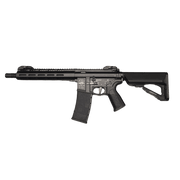
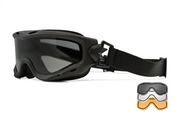
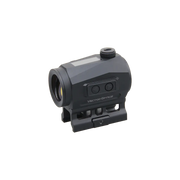
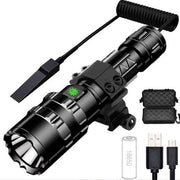
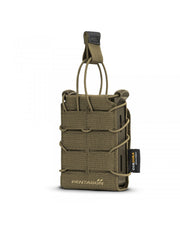
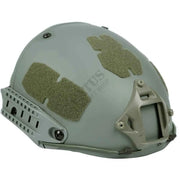
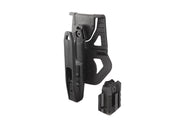
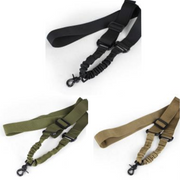
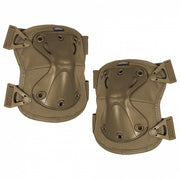
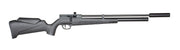
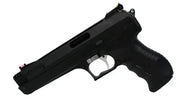
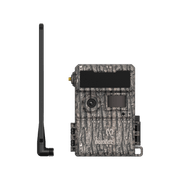
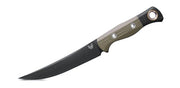
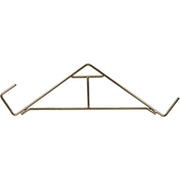
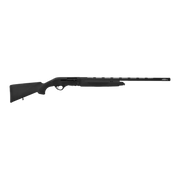
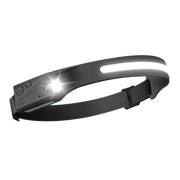
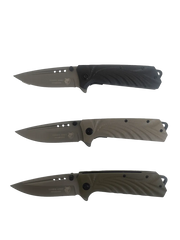
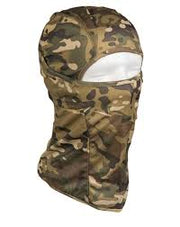
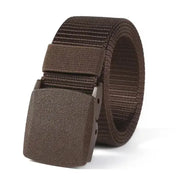
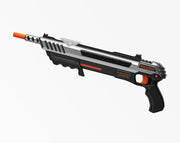
There is always a lot to pack when you go hunting. Some younger hunters might argue that the somewhat questionable herbal bitter Underberg belongs at the top of the packing list. But we put some rather more essential items at the top of ours. Obviously, you need to remember your rifle – you won't get far without it. Next, remember a sling for the rifle and a gun slip to carry it in. Hearing protection is also important if you don't want to come home with damaged eardrums. Remember a knife and a game carrier too, in case you are lucky enough to bag an animal.
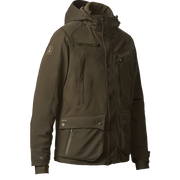
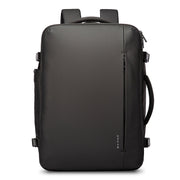
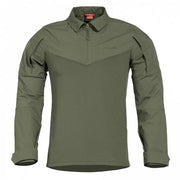
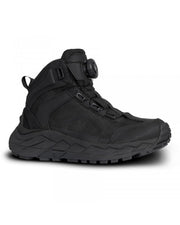
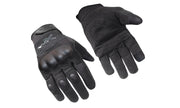
And most important of all – remember your hunting licence and valid ID. It is no different from remembering your driving licence every time you get into your car. Warm clothing is essential, and you should also remember gloves, bags, suitable clean footwear, hand sanitiser – and of course a good mood and the desire to hunt and enjoy good company. Good luck.


